
Science Curriculum Intent
Science at Cranborne inspires children to be curious, and confident learners who want to understand the world around them. Through an engaging and ambitious curriculum, we encourage children from the earliest years to ask questions, explore ideas and develop a sense of wonder of the world around them. We want our children to learn more, remember more and make meaningful links between prior learning and new knowledge.
Our science curriculum is carefully sequenced so that children progressively build their understanding of key concepts in as they move through the school. The knowledge taught in each unit is informed by the National Curriculum and designed to help children develop a secure foundation for future learning, preparing them for secondary school and life beyond Cranborne. Alongside this knowledge, children develop the disciplinary skills needed to work scientifically, including observing closely, identifying and classifying, pattern seeking, carrying out fair and comparative tests, and using research to answer questions.
We believe science should be practical, engaging and purposeful. Children are given regular opportunities to investigate, predict, test, evaluate and reflect, enabling them to think critically, solve problems and communicate their ideas clearly using scientific vocabulary. By the time they leave Cranborne in Year 6, we want our pupils to be equipped with the knowledge, enquiry skills and confidence they need to continue their scientific learning, understand the role of science in everyday life and appreciate its importance in the wider world.
The Purpose of Our Science Curriculum
At Cranborne, we develop children who are:
- Curious about the world around them.
- Secure in their scientific knowledge.
- Skilled in scientific enquiry.
- Confident communicators, who can use scientific vocabulary to explain their thinking.
- Reflective and resilient learners who learn from mistakes – lots of interesting scientific discoveries were the result of mistakes/accidents!
- Prepared for the next stage of learning, with the knowledge, skills and curiosity needed for science in secondary school and for understanding the world they live in.
Our Science Curriculum
Foundation Stage
In the foundation stage, Science comes under the area of learning 'Understanding the World'. Children are encouraged to talk about similarities and differences within the world around them including places, objects, materials and living things. They should be able to talk about the environment around them and how environments can be the same and different. Children are encouraged to make observations of animals and plants, as well as explaining why some things happen and occur. By the end of the year the children are expected to:
- Explore the natural world around them, making observations and drawing pictures of animals and plants
- Know some similarities and differences between the natural world around them and contrasting environments, drawing on their experiences and what has been read in class
- Understand some important processes and changes in the natural world around them, including the seasons and changing states of matter.
Please see below our Science Curriculum Map that shows the topics covered in each year group:
Science Curriculum Map
How is the Science Curriculum enhanced at Cranborne?
Learning is further enriched through a range of first-hand experiences and extra-curricular opportunities that bring science to life beyond the classroom. These include educational visits, such as the Year 3 trip to Epping Forest to support learning about rocks, Mad Science assemblies which inspire children through exciting demonstrations and experiments, and an after-school science club which provides further opportunities for children to explore scientific ideas in a fun and engaging way.
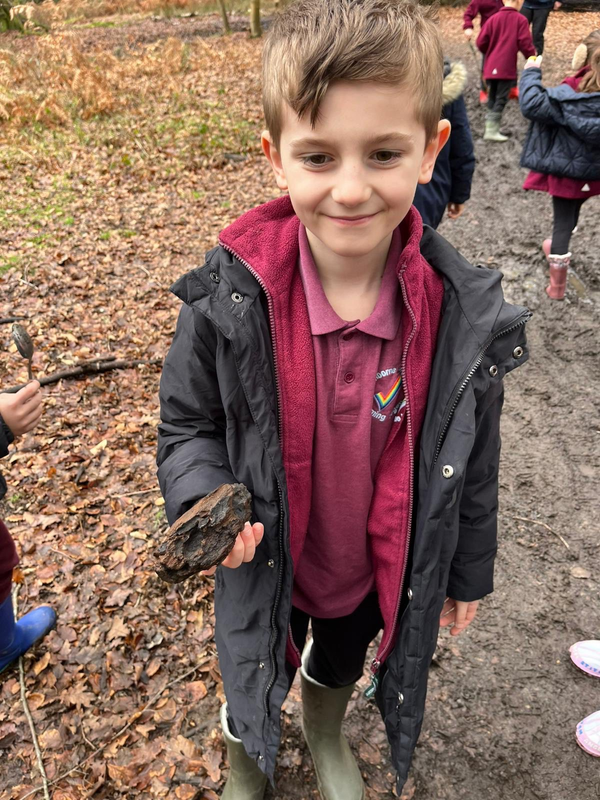
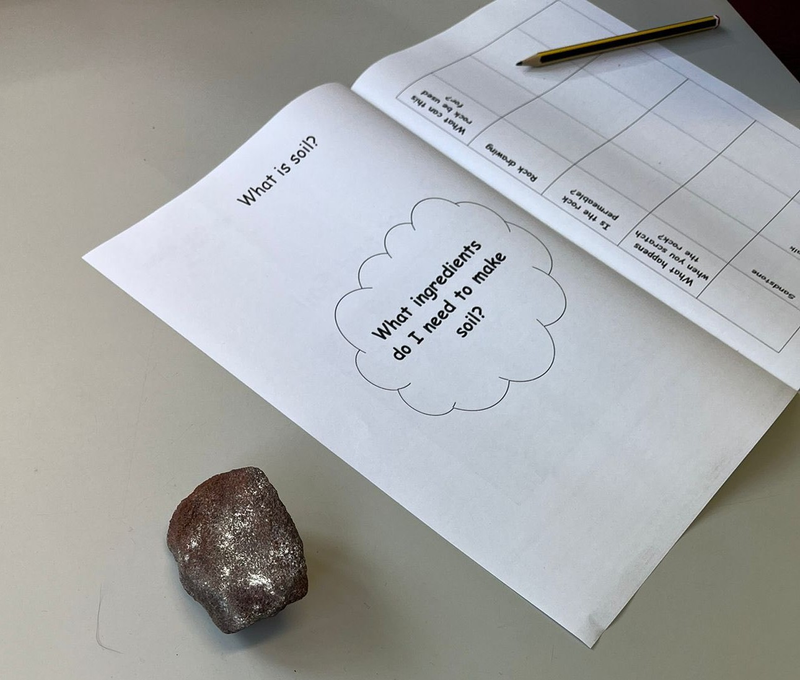
Our Science Gallery
Why not visit the Natural History Museum and Science Museum from your home?
Check out these virtual tours!
Natural History Museum
https://naturalhistory.si.edu/visit/virtual-tour
Science Museum
https://www.sciencemuseum.org.uk/virtual-tour-science-museum
STEM
STEM (Science, Technology, Engineering, and Maths) is playing an increasingly large role in education and a solid foundation across the spectrum of these subjects will stand our children in good stead for life at secondary school and beyond.
Exposing children to these subjects and making them both fun and interesting will help them to do so much more than just learn.
Would you like to try some STEM activities at home with your child?
Have a look at the websites and guides below to give you some ideas of activities you could try at home.
Have fun!